
1.
第二層(SAFETY NEED)在中國大陸是得不到的,包括博細來/王立軍/文強等,更不用說其他人了!
2.
而到加那大後對大多數第一代移民來說很難到第4層以上(ESTEEM NEEDS),而且全世界能到這個層的估計不會超過5%,
3.
但對大陸中國人來說,很多都以為他自己很快就能到了,因為太多的成功學培訓洗腦了,而忽視了其實95%的人連第二層都達不到,還有5%懷揣外國護照!相當一部份第一層都沒到!
Maslow (1943) stated that people are motivated to achieve certain needs. When one need is fulfilled a person seeks to fulifil the next one, and so on.
The earliest and most widespread version of Maslow's (1943, 1954) hierarchy of needs includes five motivational needs, often depicted as hierachical levels within a pyramid.
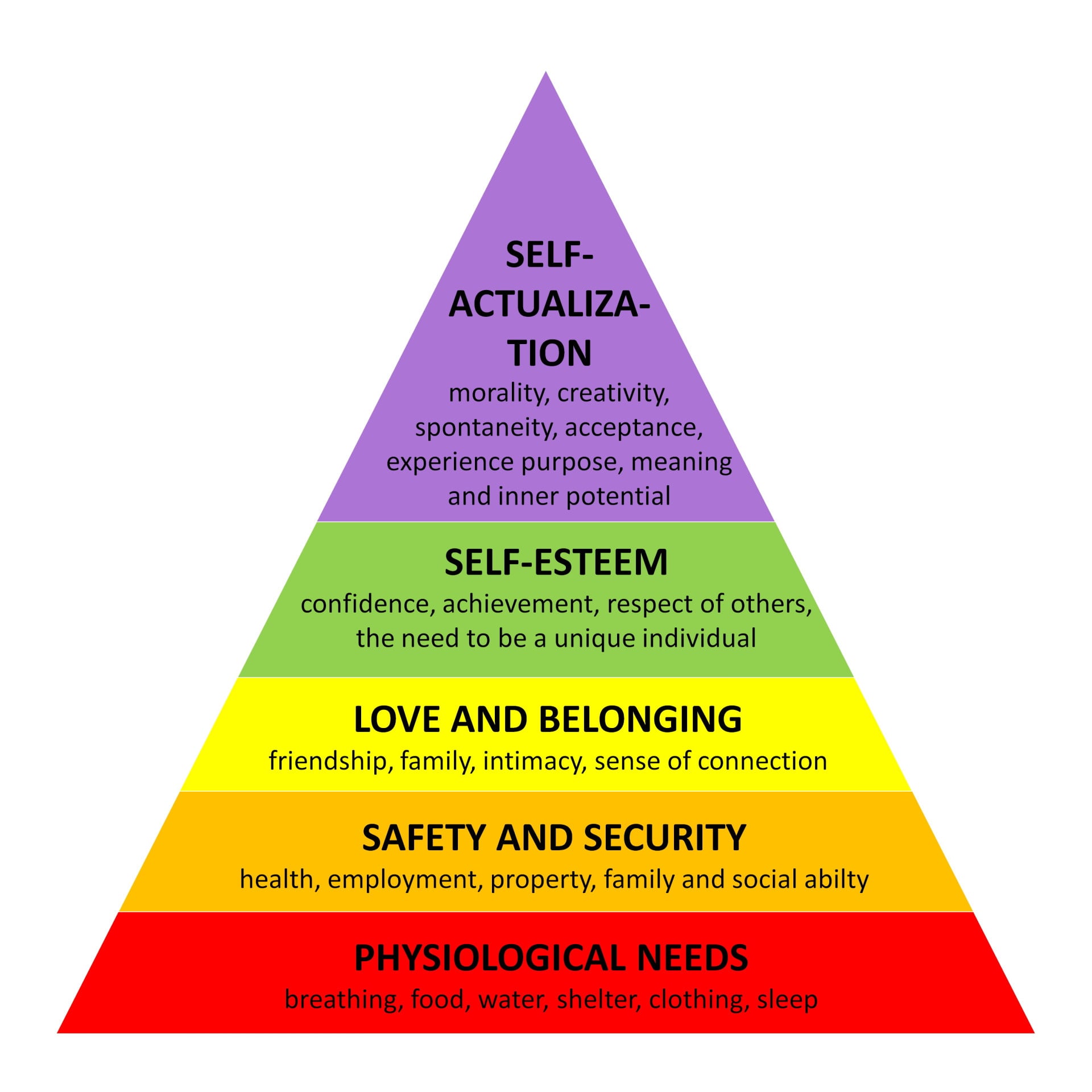
This five stage model can be divided into basic (or deficiency) needs (e.g. physiological, safety, love, and esteem) and growth needs (self-actualization).
One must satisfy lower level basic needs before progressing on to meet higher level growth needs. Once these needs have been reasonably satisfied, one may be able to reach the highest level called self-actualization.
Every person is capable and has the desire to move up the hierarchy toward a level of self-actualization. Unfortunately, progress is often disrupted by failure to meet lower level needs. Life experiences including divorce and loss of job may cause an individual to fluctuate between levels of he hierarchy.
Maslow noted only one in a hundred people become fully self-actualized because our society rewards motivation primarily based on esteem, love and other social needs.
第二層(SAFETY NEED)在中國大陸是得不到的,包括博細來/王立軍/文強等,更不用說其他人了!
2.
而到加那大後對大多數第一代移民來說很難到第4層以上(ESTEEM NEEDS),而且全世界能到這個層的估計不會超過5%,
3.
但對大陸中國人來說,很多都以為他自己很快就能到了,因為太多的成功學培訓洗腦了,而忽視了其實95%的人連第二層都達不到,還有5%懷揣外國護照!相當一部份第一層都沒到!
Maslow (1943) stated that people are motivated to achieve certain needs. When one need is fulfilled a person seeks to fulifil the next one, and so on.
The earliest and most widespread version of Maslow's (1943, 1954) hierarchy of needs includes five motivational needs, often depicted as hierachical levels within a pyramid.
This five stage model can be divided into basic (or deficiency) needs (e.g. physiological, safety, love, and esteem) and growth needs (self-actualization).
One must satisfy lower level basic needs before progressing on to meet higher level growth needs. Once these needs have been reasonably satisfied, one may be able to reach the highest level called self-actualization.
Every person is capable and has the desire to move up the hierarchy toward a level of self-actualization. Unfortunately, progress is often disrupted by failure to meet lower level needs. Life experiences including divorce and loss of job may cause an individual to fluctuate between levels of he hierarchy.
Maslow noted only one in a hundred people become fully self-actualized because our society rewards motivation primarily based on esteem, love and other social needs.


